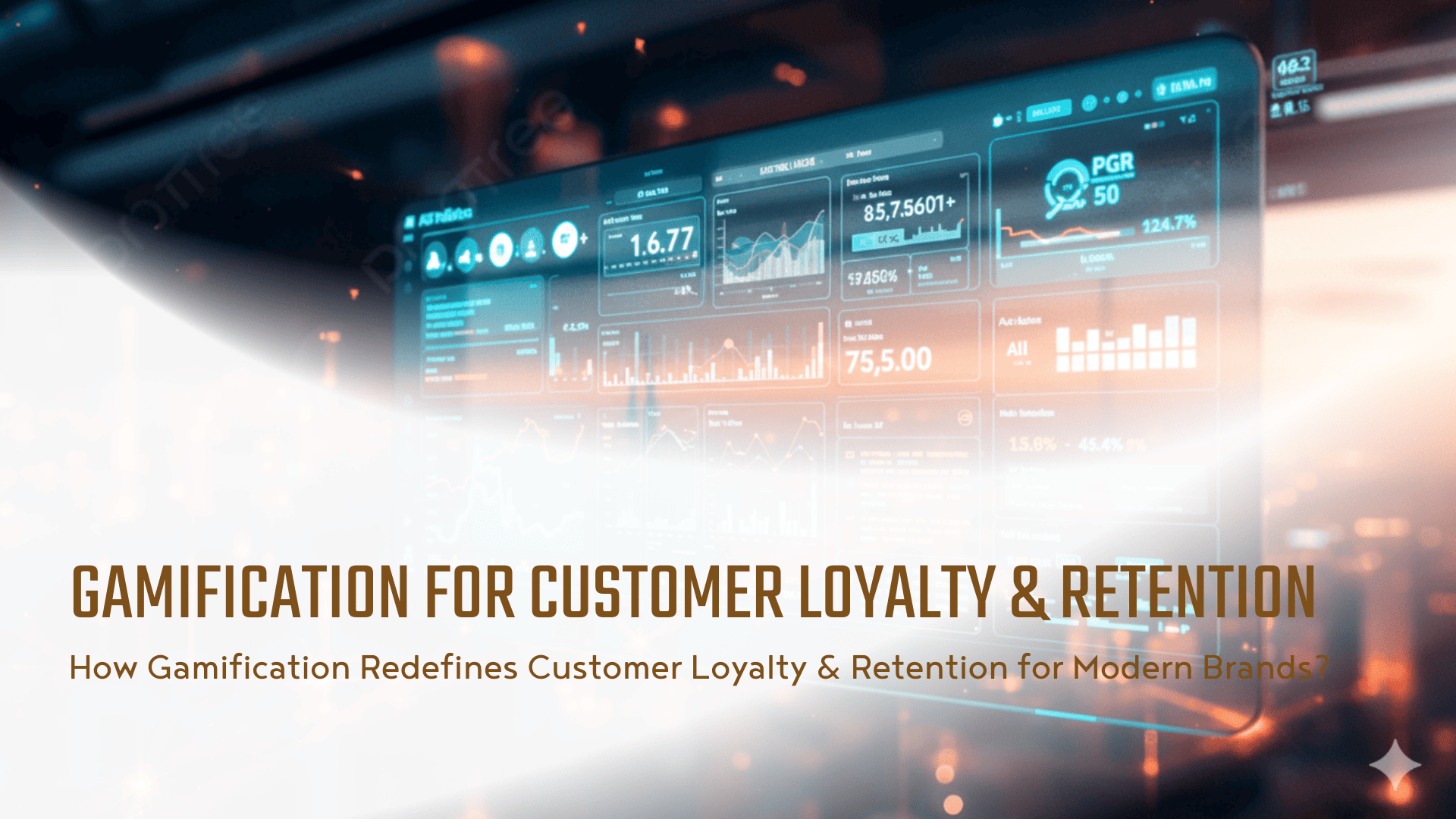
How Gamification Redefines Customer Loyalty & Retention for Modern Brands
In 2026, loyalty is no longer just about collecting points after a purchase. Modern customers expect interaction, feedback, and a sense of progress every time they engage with a brand. Gamification answers that expectation by turning routine actions into meaningful experiences. Instead of asking customers to buy more to earn rewards later, brands invite them to play, progress, and belong. This shift is quietly redefining how retention and long-term growth are built.
Why is Customer Retention the New Growth Engine in 2026?
In a saturated digital market, the cost of acquiring a new customer is 5-25x higher than retaining an existing one. Gamification transforms passive buyers into active advocates by leveraging psychological triggers like achievement and social influence.
For years, growth meant pouring budget into acquisition. Ads, promotions, and influencer campaigns brought traffic, but often with short-lived results. Today, rising Customer Acquisition Cost forces brands to look inward. Retention is no longer a supporting metric. It is the growth engine itself.
Traditional loyalty programs focus on transactions. Spend more, get more discounts. Gamification shifts the focus to emotional loyalty. Customers feel progress when they unlock a level. They feel pride when earning a badge. They feel connected when their achievements are visible in a community. Over time, this emotional bond compounds Lifetime Value far beyond what discounts alone can achieve.
From an SEO and product mindset, engagement-driven retention directly supports the long-tail goal of how to improve customer lifetime value through engagement, because customers who interact frequently also convert, refer, and stay longer.
How Can Gamification Bridge the Gap Between Traditional Marketing and Loyalty?
What are the Core Elements of a Gamified Marketing Strategy
At its core, gamification acts as a bridge between awareness-driven marketing and long-term loyalty. The mindset moves from “Buy-to-Get” to “Play-to-Earn.” Customers are no longer waiting passively for rewards. They actively participate.
The most common mechanics include points that represent progress, badges that symbolize achievement, leaderboards that introduce social comparison, and narrative-driven missions that give context to actions. When these elements are combined thoughtfully, even traditional brands can feel interactive and modern.
For legacy brands especially, this approach makes gamification strategies for traditional brand marketing practical rather than experimental. It allows existing campaigns to evolve without discarding familiar structures.
How Does Psychology Influence Long-Term Customer Habits?
Gamification works because it mirrors how habits are formed. The Dopamine Loop starts with a trigger, followed by an action, a variable reward, and finally investment. Each completed action makes the next one more likely.
Another powerful driver is the Endowment Effect. Once users earn points, streaks, or status, they begin to value them as possessions. Leaving the ecosystem feels like losing something they already own. Over time, this psychological ownership becomes a stronger retention force than any coupon.

Building Tiered Progression: How to Design Reward Systems That Work?
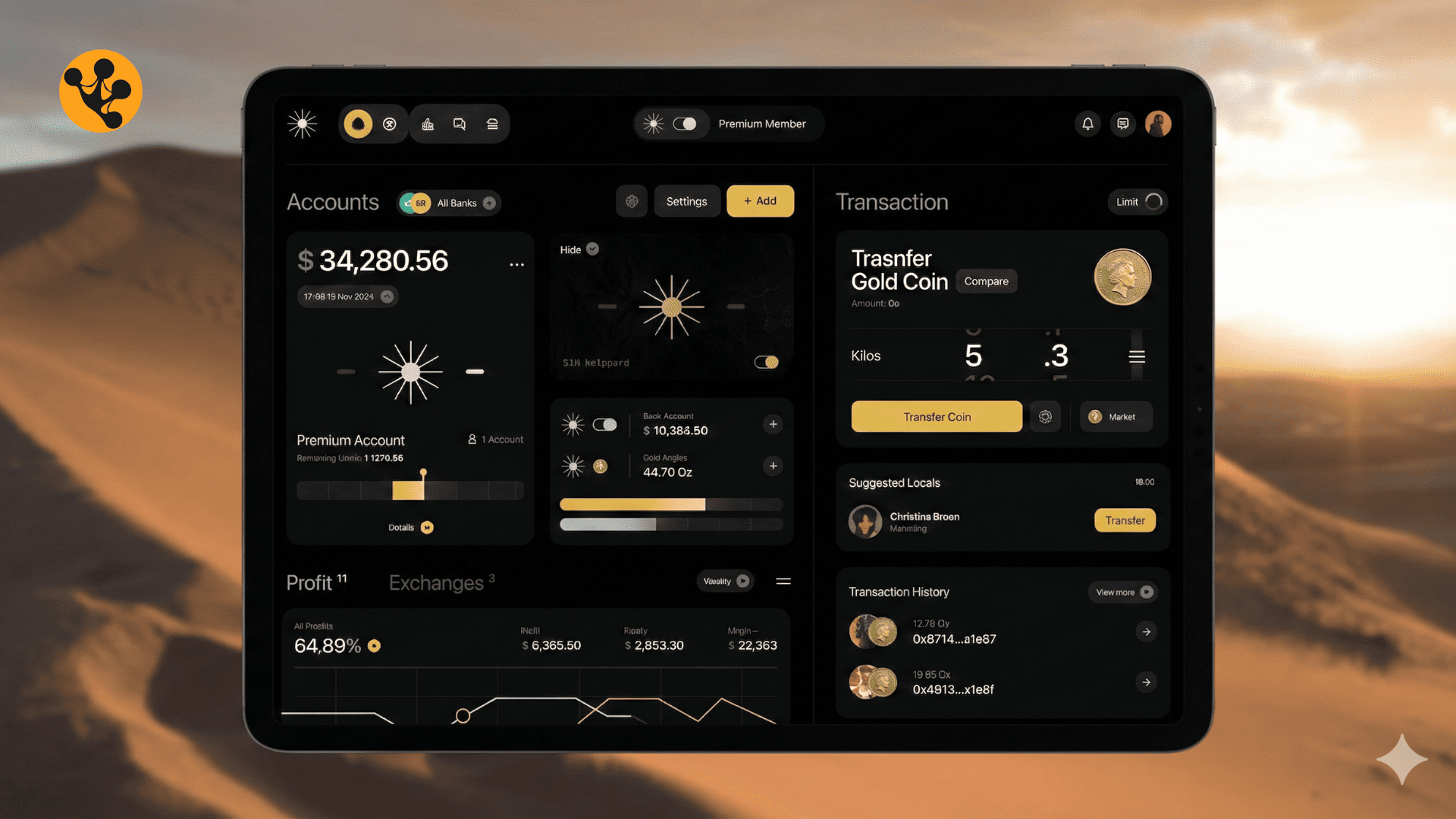
Designing a tiered system is where gamification becomes tangible. The difference between traditional loyalty and gamified progression is best understood through comparison.
| Feature | Traditional Tiered Loyalty | Gamified Progression |
| Core Motivation | Extrinsic: discounts, coupons, cashback | Intrinsic: status, mastery, achievement |
| Engagement Pace | Fixed and linear | Dynamic and milestone-based |
| Feedback Loop | Delayed updates | Instant visual feedback |
| User Experience | Passive spending | Active participation |
| Churn Impact | High risk when better deals appear | Lower risk due to emotional investment |
A well-designed journey clearly defines the path from “Newbie” to “Legend.” Instead of repetitive buy-one-get-one offers, users unlock experiences. Early access, exclusive challenges, or visible status symbols feel earned, not given. This approach aligns strongly with tiered reward system design for high-end brands, where perception matters as much as value.
How to Combat Churn with Progression-Based Rewards?
Why Do Customers Leave and How Can Progression Stop Them?
Most customers do not leave because they are unhappy. They leave because they are bored. Traditional loyalty programs often have long gaps between rewards, creating what can be called the boredom gap.
Progression-based systems close this gap with constant feedback. Loss aversion plays a key role here. When users are reminded they might lose a streak, a rank, or an upcoming unlock, disengagement feels costly. This directly supports the goal of reducing churn rates with gamified progression loops.
How to Personalize the Retention Path for Different User Segments?
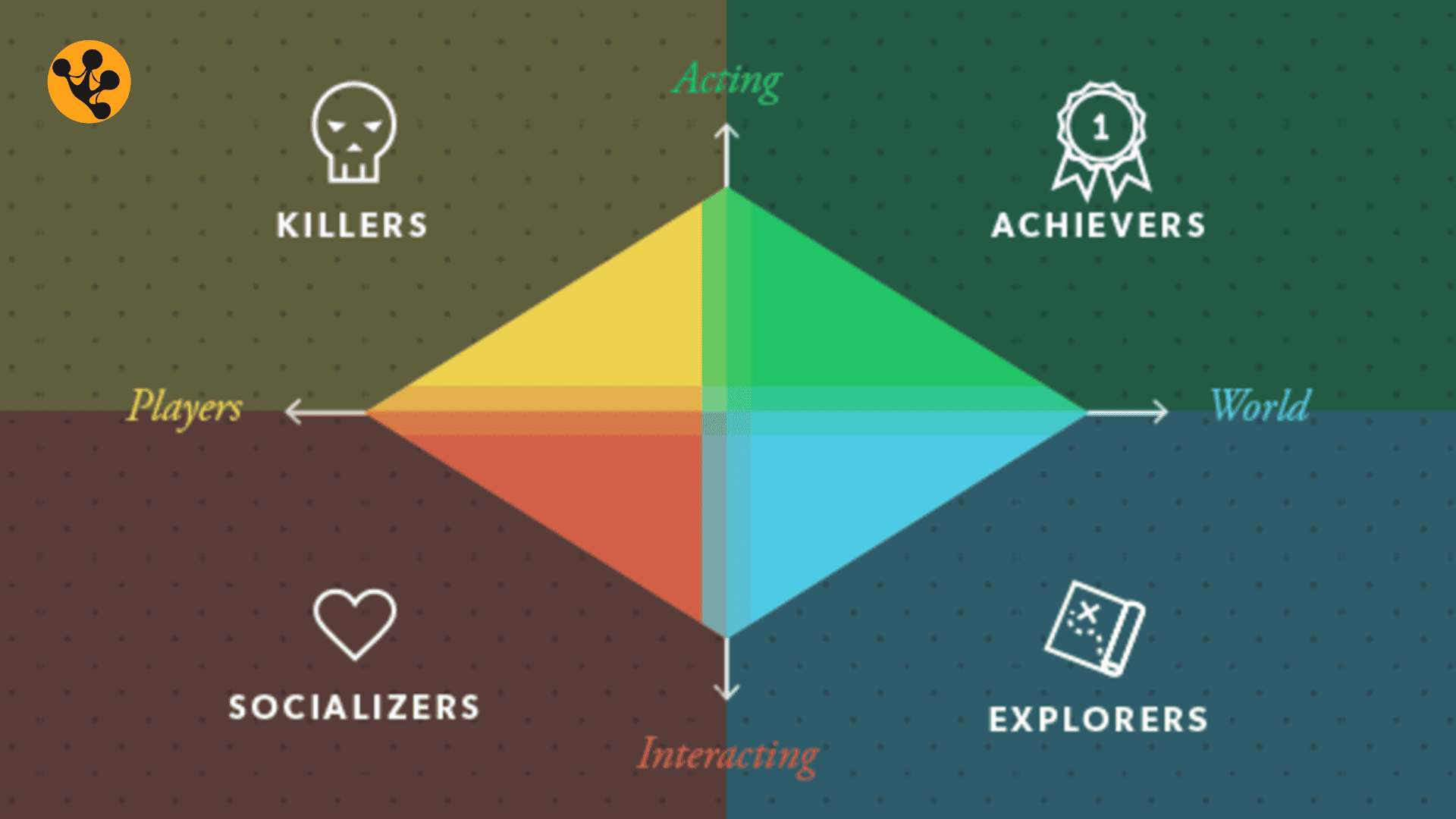
Not all users are motivated the same way. Some enjoy exploration, others chase achievements, while some value social recognition. Data allows brands to offer dynamic challenges that align with business KPIs, from repeat purchases to referrals.
Personalization is sustained by surprise and delight. Unexpected rewards, limited-time missions, or hidden achievements keep long-term users curious even after months or years of engagement.

Expert Insights: Implementing a Gamified Retention Framework
For CMOs, gamification is not about making things playful for the sake of fun. The mechanics must directly support business objectives such as purchase frequency, referral rate, or app usage. A practical approach is to start with a Minimum Viable Game, test engagement patterns, and iterate based on real data.
Clarity is critical. Over-complicated systems confuse users and dilute value. The interface should clearly communicate progress, rewards, and next steps at all times.
Case Studies: How Leading Brands Mastered Gamified Retention?
Several well-known brands demonstrate how gamification drives loyalty at scale. Starbucks shows the power of tiered rewards combined with mobile-first engagement. Duolingo minimizes churn by leveraging streaks and loss aversion. Nike+ builds community-driven loyalty through shared challenges and social achievements.
These examples illustrate why successful gamification case studies for marketing are increasingly referenced when brands rethink retention strategies.


“I’m Paul Nguyen, I’m a Growth & Product Marketing Leader and currently the General Manager at LEAP Studio. With over six years of experience across fintech platforms, tech startups, and Web3, I specialize in building data-driven growth strategies, optimizing conversion funnels, and integrating AI into marketing to drive sustainable business scalability.”