
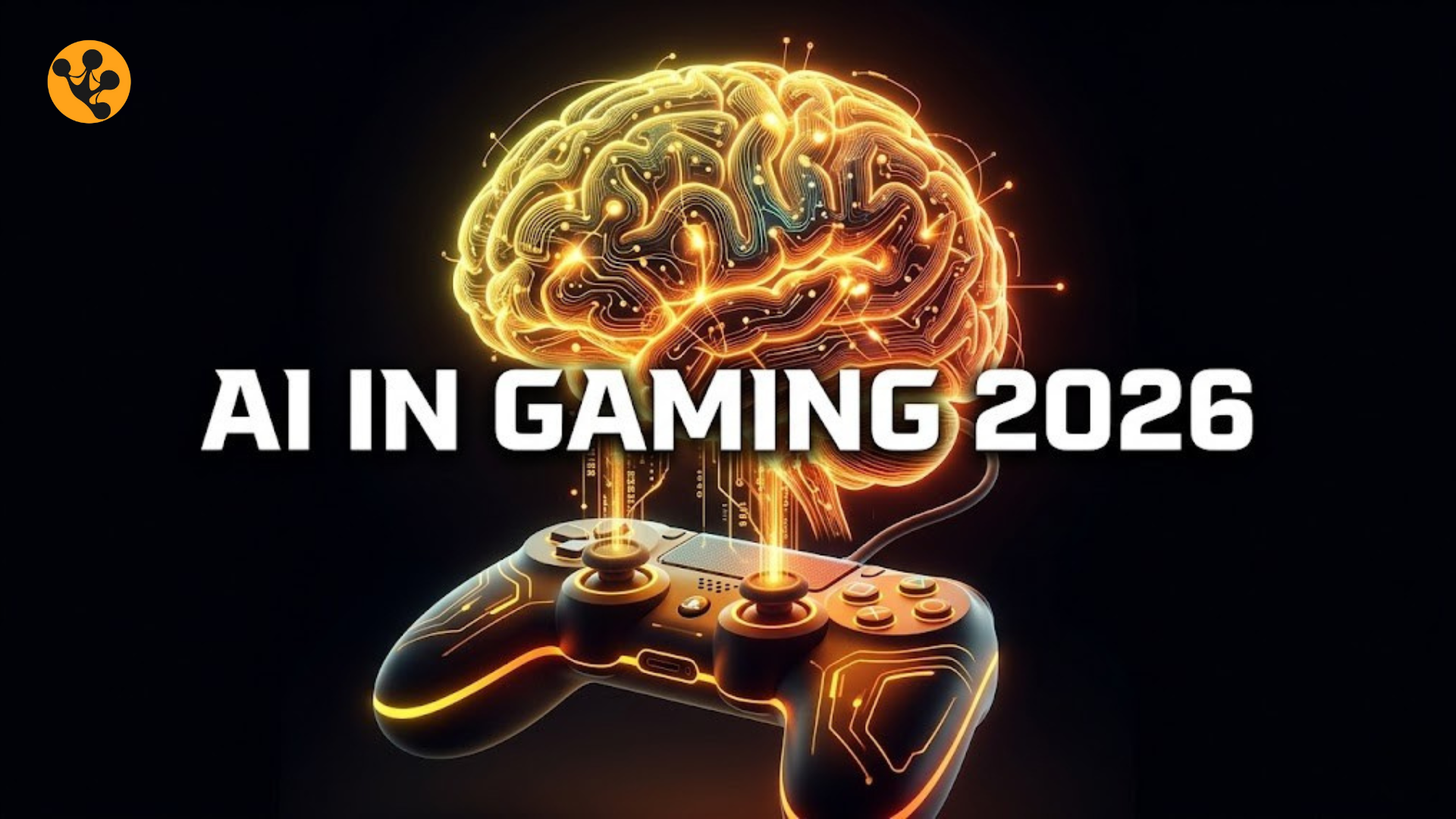
AI In The Gaming Industry 2026: Current State, Opportunities, And Development Roadmap
AI technology is creating a profound revolution in the gaming industry with 22% of games on Steam now integrating AI, reaching a $1.5 billion USD market, yet remaining controversial as 52% of developers express concerns about their career future.
What Is AI Technology In The Gaming Industry?
AI in the gaming sector involves applying machine learning algorithms, computer vision, and natural language processing to automate production workflows. This technology helps studios create dynamic interactive environments, gradually replacing fixed programming scripts.
As of 2025, the AI game market size reached $4.8 billion and is expected to maintain a CAGR of 18.8%. While bringing significant benefits, this wave also raises career-related concerns that need thoughtful consideration. The presence of machine learning is reshaping how we design characters and develop storylines.

Detailed Analysis of AI Applications in Game Development
AI is heavily integrated into multiple stages of the production process (Game Dev) and mobile applications (Mobile App Dev). Automated systems help technical teams handle massive workloads in a short time.
-
Asset creation: Generative AI platforms reduce the time required to design 3D models, artwork, and interfaces. 2025 statistics recorded that about 43% of developers used this technology to optimize graphics.
-
Code assistance: Virtual assistants analyze and suggest code, helping developers detect bugs quickly.
-
Level design: Procedural generation algorithms support the automatic construction of complex maps and environments.
-
Character AI: Creating non-player characters (NPCs) capable of learning and personalizing responses based on human behavior.

How Is The AI Game Market Data Growing?
The gaming software and application market is recording strong growth momentum thanks to the contribution of artificial intelligence. According to Dataintelo’s report, the industry size hit the $4.8 billion mark in 2025 and is forecasted to expand to $22.6 billion by 2034. The compound annual growth rate (CAGR) remains stable at 18.8%.
-
Adoption rate: In 2026, about 67% of the top 100 large-scale global studios integrated AI tools into their production pipelines.
-
Market share distribution: The Asia-Pacific region holds the advantage, accounting for 38.6% of the total market.
-
Optimization roadmap: AIGC platforms are expected to reduce the release time of new game titles by 40% by 2028.

What Benefits Does AI Technology In Gaming Provide?
Integrating machine learning technology brings practical value to both organizations and the gaming community. Operational workflows are significantly streamlined thanks to flexible automated systems.
-
Automated testing: The system can run thousands of test scripts to scan for errors effectively.
-
Experience personalization: Games dynamically adjust difficulty (Dynamic difficulty) to match the actual skills of each participant. This element is also widely applied in Gamification and Playable Ads campaigns.
-
Dynamic interactive environments: Digital spaces can transform in real-time based on direct interactions.
Why Do Many Developers Still Worry About AI?
Despite broad potential, 52% of developers still express apprehension about adopting automated tools too rapidly. These concerns stem from the risk of personnel disruption and the inherent limitations of the technology.
-
Employment impact: The ability to generate images and suggest code automatically raises the risk of shrinking hiring needs for junior positions or manual testers.
-
Creative limitations: Products generated by algorithms often carry a formulaic nature, lacking the subtlety and emotional depth of humans.
-
Copyright issues: Legal barriers regarding intellectual property rights for system-generated assets still lack unified consistency.

About LEAP Studio
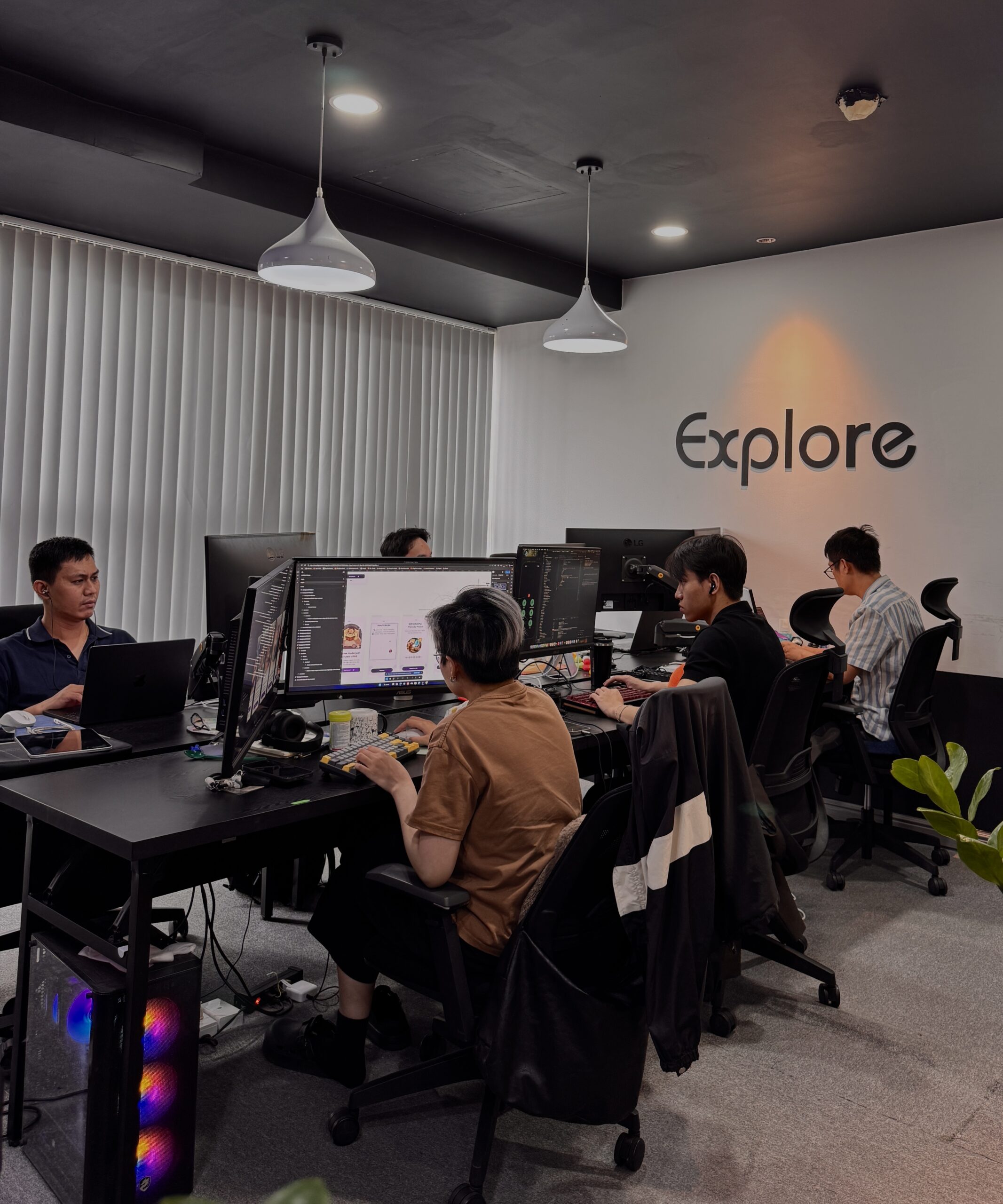
To leverage the power of technology effectively, businesses need a partner with specialized capabilities and a strategic vision. LEAP Studio (leapstud.io) positions itself as a reliable interactive solution development unit in Vietnam.
We focus on four core areas: Game Development, Mobile App Development, Gamification, and Playable Ads. LEAP’s goal is to deliver highly applicable products, helping brands optimize the customer lifecycle and drive revenue growth.
Through a diverse portfolio of prominent Case Studies, LEAP has affirmed its practical capabilities in delivering high-performing digital solutions across various industries. Notable projects include:
-
KFC: Developing interactive Gamification campaigns and mini-games to boost customer engagement and drive the success of promotional events.
-
HDBank: Integrating gamified elements and interactive features into the financial ecosystem to increase daily user interaction and customer retention.
-
Dai-ichi Life: Building interactive platforms and gamified campaigns to strengthen customer relationships and enhance the insurance user experience.
-
Burger Print: Optimizing UI/UX design and developing robust application interfaces to streamline the user journey and support digital operations.
The engineering and design teams at LEAP prioritize customizing every line of code and graphic, ensuring each product released to the market achieves high refinement and meets rigorous standards from partners. You can explore more case studies from LEAP Studio Vietnam at: https://leapstud.io/portfolio/
Conclusion
The future of digital entertainment systems is a harmonious collaboration to elevate project quality. Software engineering teams should proactively familiarize themselves with machine learning tools and practice Prompt Engineering skills to shift toward a system control role.
For management levels and investors, a safe strategy is to deploy technology in phases, prioritizing the digitization of repetitive tasks first. Balancing the capabilities of technology experts and the creativity of traditional personnel will create a sustainable competitive advantage in the long run.

“I’m Paul Nguyen, I’m a Growth & Product Marketing Leader and currently the General Manager at LEAP Studio. With over six years of experience across fintech platforms, tech startups, and Web3, I specialize in building data-driven growth strategies, optimizing conversion funnels, and integrating AI into marketing to drive sustainable business scalability.”



Leave a comment