

Customer Service Gamification: Turning Support Tickets into a High-Performance Strategy
Customer service has long been seen as a cost center. Tickets come in, agents respond, queues grow again, and the cycle repeats. In recent years, however, many support leaders have started to rethink this mindset. Instead of asking how to process tickets faster, they ask how to build a system that keeps agents motivated, focused, and consistently improving. This is where customer service gamification comes in.
At its core, gamification is not about turning work into a game for fun. It is about redesigning everyday support workflows so that effort, progress, and quality become visible and rewarding. When done right, it transforms support tickets from repetitive tasks into meaningful steps inside a high-performance strategy.
What Is Customer Service Gamification? (It’s Not Just “Playing Games”)
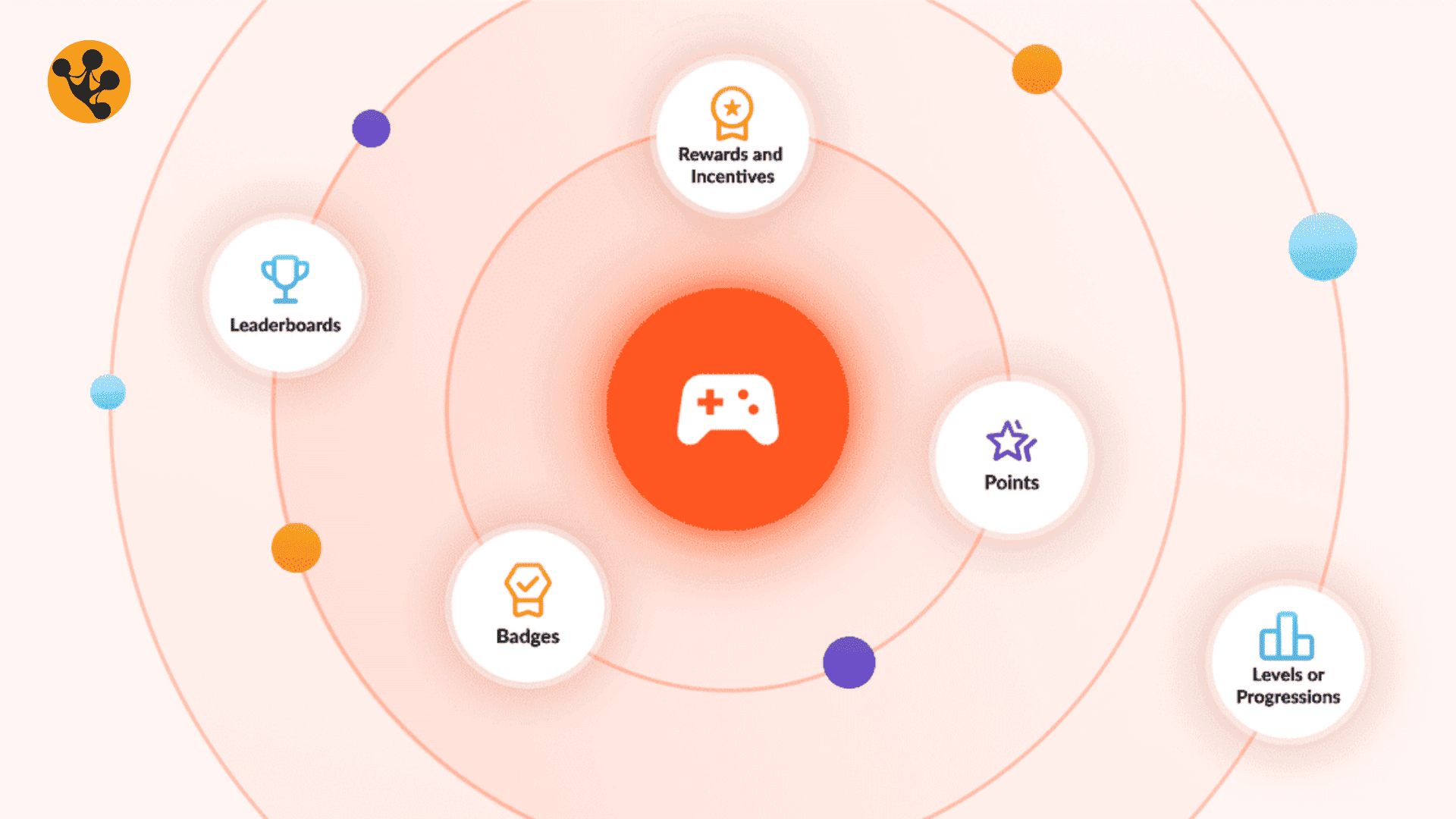
Customer service gamification is the strategic integration of game mechanics into daily helpdesk workflows. These mechanics include points, levels, rewards, and visual progress indicators, and they are usually embedded directly into tools such as Zendesk or Salesforce. Agents do not leave their work environment to play a game. The game lives inside the work itself.
The core objective of gamification is behavioral change. It is designed to improve speed, accuracy, and data quality without adding pressure or micromanagement. Instead of managers constantly reminding agents about KPIs, the system itself nudges the right behavior through feedback and rewards.
Most effective gamification systems rely on a simple triad of mechanics. First, they are data-driven. Points are calculated from real metrics such as closed tickets, first response time, or CSAT scores, not subjective opinions. Second, they focus on recognition. Digital badges, instant pop-ups, or leaderboard mentions provide immediate validation when an agent does something well. Third, they emphasize progress. Levels, experience bars, and unlockable roles help agents visualize their growth and career path over time.

Why Gamification is the Antidote to Agent Burnout
Support work is repetitive and emotionally demanding. Agents deal with complaints, tight SLAs, and constant context switching. Over time, this creates agent fatigue, a silent driver of burnout and high churn rates in support teams.
Gamification introduces a psychological shift. Instead of working only for extrinsic rewards such as salary or bonuses, agents start engaging with intrinsic motivation. Small achievements create a sense of autonomy. Skill-based progression builds mastery. Clear goals and shared missions reinforce purpose. Together, these elements make daily work feel less like a grind and more like a challenge that can be overcome.
Another often overlooked benefit is community. Traditional helpdesk work can feel solitary, especially in remote environments. Gamified systems encourage collaboration by framing success as a team effort. Clearing a queue together or unlocking shared rewards turns individual tasks into a collective experience, which significantly boosts engagement and morale.
3 Battle-Tested Gamified Models for Support Teams
This section focuses on practical, playable concepts that customer success managers can implement immediately without overhauling their entire tech stack.
The “Backlog Boss Raid” (Co-op Mode)
The idea behind the Backlog Boss Raid is simple. The entire ticket backlog is visualized as a single Boss Monster with a fixed HP bar, for example 1,000 HP. Every closed ticket deals one point of damage to the boss. High-quality resolutions matter more. A five-star CSAT rating might trigger critical damage and remove five HP at once.
This model transforms the stress of an overflowing queue into a collaborative mission. Instead of feeling overwhelmed by numbers, agents see tangible progress as the boss’s health bar drops. The shared enemy creates unity and boosts call center motivation by aligning everyone around a common goal.
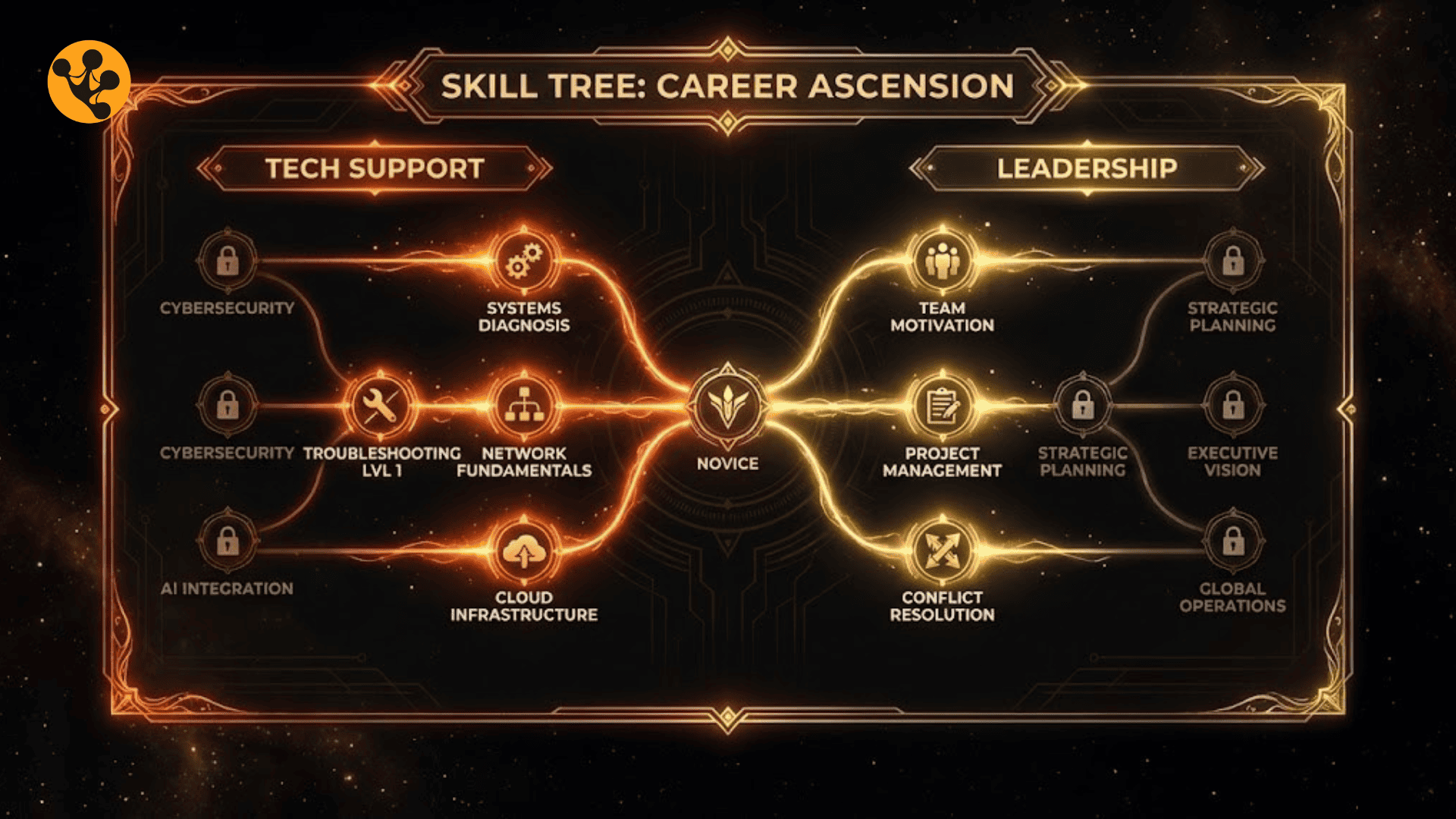
The “Skill Tree” Progression (RPG Style)
Training manuals and static onboarding documents often fail to engage agents. The Skill Tree model replaces them with a visual career map inspired by RPG games. Agents start at Level 1 and earn experience points by solving tickets, completing quizzes, or shadowing senior teammates.
To unlock the Technical Support branch, for example, an agent might need to resolve a set number of basic tickets and pass a technical assessment. Unlocking a branch grants a permanent badge and access to higher-tier tickets that offer bonus points or recognition. Over time, this creates a clear and motivating path for professional growth and mastery.
“Daily Quests” and “Streaks” (Micro-Habits)
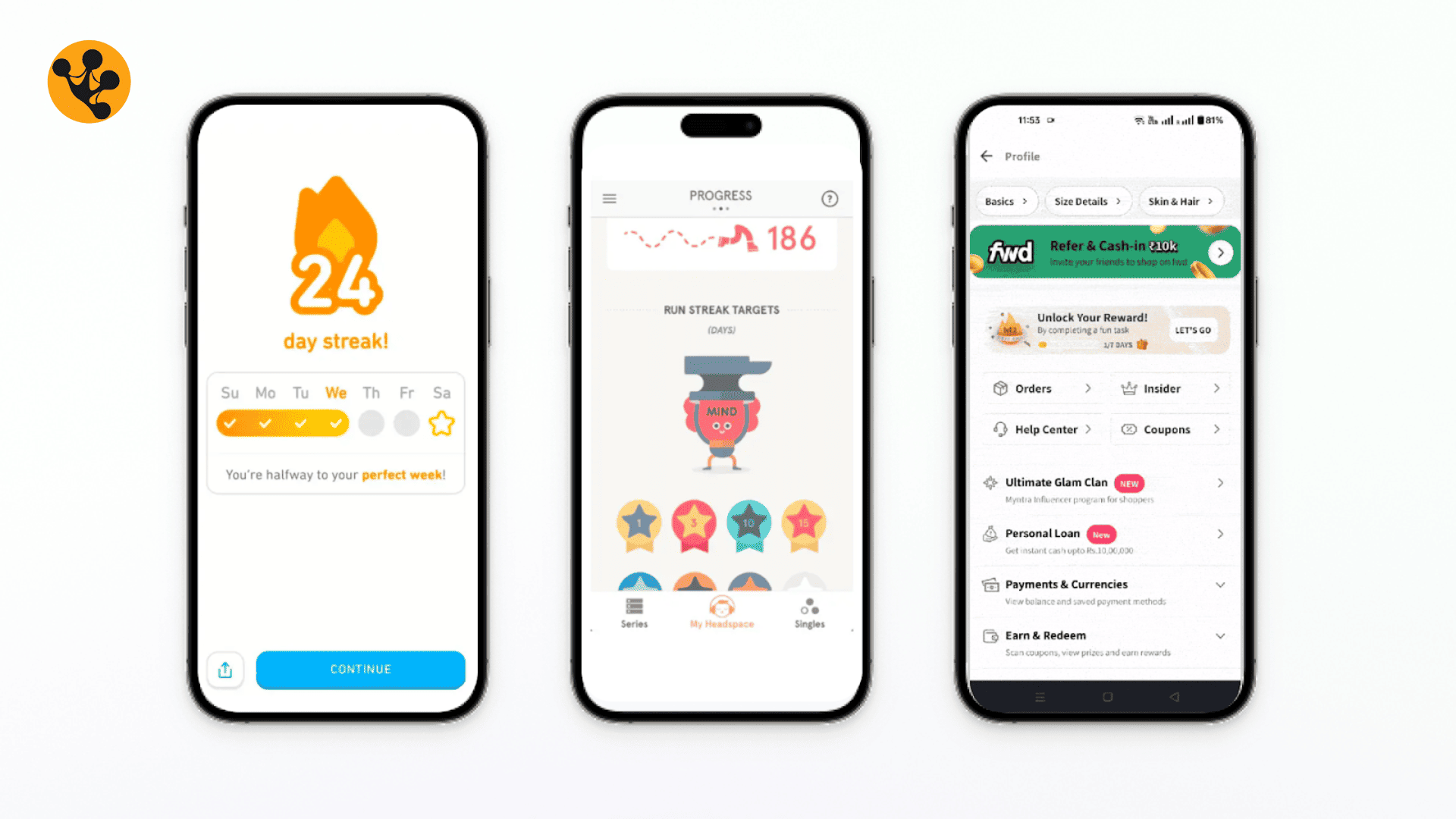
This model borrows from what many people recognize as the Duolingo effect. Instead of focusing only on long-term goals, the system encourages consistency through small daily challenges. A daily quest could be closing the first five tickets within 30 minutes or updating one knowledge base article.
Streaks add momentum. Maintaining a CSAT score above 4.5 for five consecutive days might trigger an On Fire mode with double points. These micro-goals keep agents focused on what they can control today, which naturally reduces support ticket time without sacrificing quality.
Which Metrics Should You Gamify?
Not all metrics are created equal, and choosing the wrong ones can encourage unhealthy behavior. Quality metrics should act as multipliers. CSAT and NPS are strong candidates because they reward doing the job well, not just fast. High quality scores should increase total points rather than stand alone.
Efficiency metrics form the base. First response time and resolution time reflect operational performance and are easy for agents to understand. Contribution metrics add a bonus layer. Creating knowledge base articles, mentoring junior agents, or documenting edge cases all deserve recognition because they improve the system beyond individual tickets.
How to Implement Without “Gaming the System”
One common concern is cherry-picking. Agents might focus only on easy tickets to inflate their scores. This can be addressed by weighting tickets based on difficulty or priority so that complex issues are worth more points.
Another challenge is balancing competition and collaboration. Rewarding only the top performer can demotivate the rest of the team. Instead, categories such as Most Improved or Best Team Player ensure that different strengths are valued.
Finally, virtual points need real-world meaning. When points translate into tangible rewards like preferred shifts, gift cards, or company swag, agents take the system seriously and stay engaged long term.
Frequently Asked Questions (FAQs)
Does gamification work for remote support teams?
Yes. In fact, remote teams often benefit even more because gamification replaces missing social signals. Shared dashboards, team challenges, and visual progress help remote agents feel connected and aligned.
How much does it cost to implement helpdesk gamification?
Costs vary widely. Some platforms include basic gamification features out of the box, while custom systems require development time. Many teams start small with simple point systems and expand gradually.
Can gamification actually reduce support ticket time long-term?
When designed correctly, yes. By reinforcing efficient and high-quality behaviors consistently, gamification builds habits that persist even when rewards are removed.


Leave a comment