

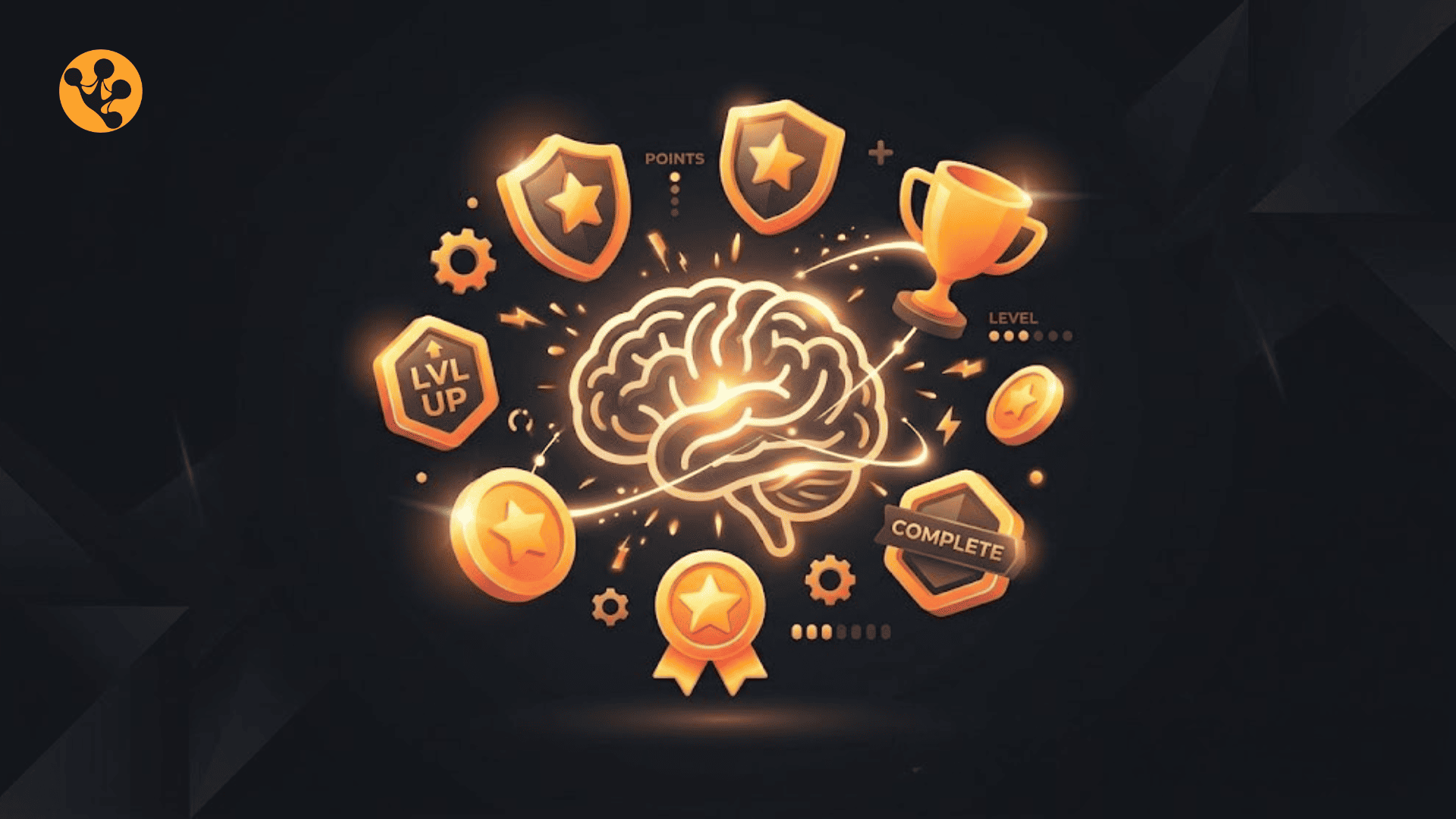
Optimizing App Engagement Strategies: The Blueprint for SaaS Growth
Thousands of downloads mean nothing if users abandon your app within 3 to 7 days. For SaaS products and mobile apps, the customer acquisition cost (CAC) is notoriously high—often five times more expensive than user retention.
The core challenge for founders is not simply driving users into the application, but transforming an “occasional tool” into an indispensable “daily habit.” Integrating game mechanics (Gamification), optimizing user flows, and establishing a proactive communication system are the definitive solutions for this sustainable growth equation.
What Are App Engagement Strategies?
App engagement strategies are a collection of design, communication, and gamification techniques designed to encourage deep and frequent user interaction. The primary goal is to maximize customer lifetime value, increase app retention, and turn the app into a daily habit through structured rewards, personalized notifications, and seamless experiences.
The Importance of Mobile App Gamification for SaaS
In the SaaS model, “stickiness” dictates the platform’s survival. Gamification is not about turning your application into an entertainment game; it is the application of behavioral psychology to drive purposeful actions.
To measure the effectiveness of these strategies, your system must closely monitor the following core metrics:
|
Metric |
Definition & Role |
| DAU/MAU Ratio | Daily Active Users vs. Monthly Active Users. The most direct measure of product “stickiness” and user habits. |
| Session Length | The average time spent during a single app open. Reflects the engagement level of your features and content. |
| Churn Rate | The percentage of customers who stop using or cancel their subscription. The ultimate goal of engagement is to minimize this. |
| Conversion Rate |
The success rate of in-app campaigns, proving the effectiveness of Calls to Action (CTAs) and the reward system. |
The 3 Pillars of Building User Retention (Increase App Retention)
1. Breakthrough Push Notification Strategies
Communication requires precision, not frequency. An effective push notification strategy relies on real-time context and behavioral data:
- Behavioral Triggers: Send notifications exactly when the user is most likely to interact, rather than broadcasting bulk messages at a fixed time.
- Win-Back Campaigns: Automate personalized messaging paired with exclusive incentives to re-engage users showing signs of churn.
2. The Power of Streaks & Gamification
Leverage the psychological effect of “Fear Of Missing Out” (FOMO) and the human desire to maintain achievements:
- Streak Systems: Require users to log in or complete a micro-task daily to maintain their “active streak.” This mechanic creates a powerful pull, compelling users to return to the app.
- Tiers & Competition: Integrate Badges for critical milestones and internal Leaderboards to stimulate healthy competition among individual users or workspaces.
3. Building an In-App Economy & Rewards
Turn every valuable interaction into a measurable digital asset:
- Virtual Currency: Design a closed-loop economy where users earn points by successfully completing specific workflows.
- Redeemable Value (In-Game Rewards for SaaS): Allow users to spend accumulated points to unlock tangible benefits, such as extra storage capacity, 7-day access to Premium features, or exclusive templates.
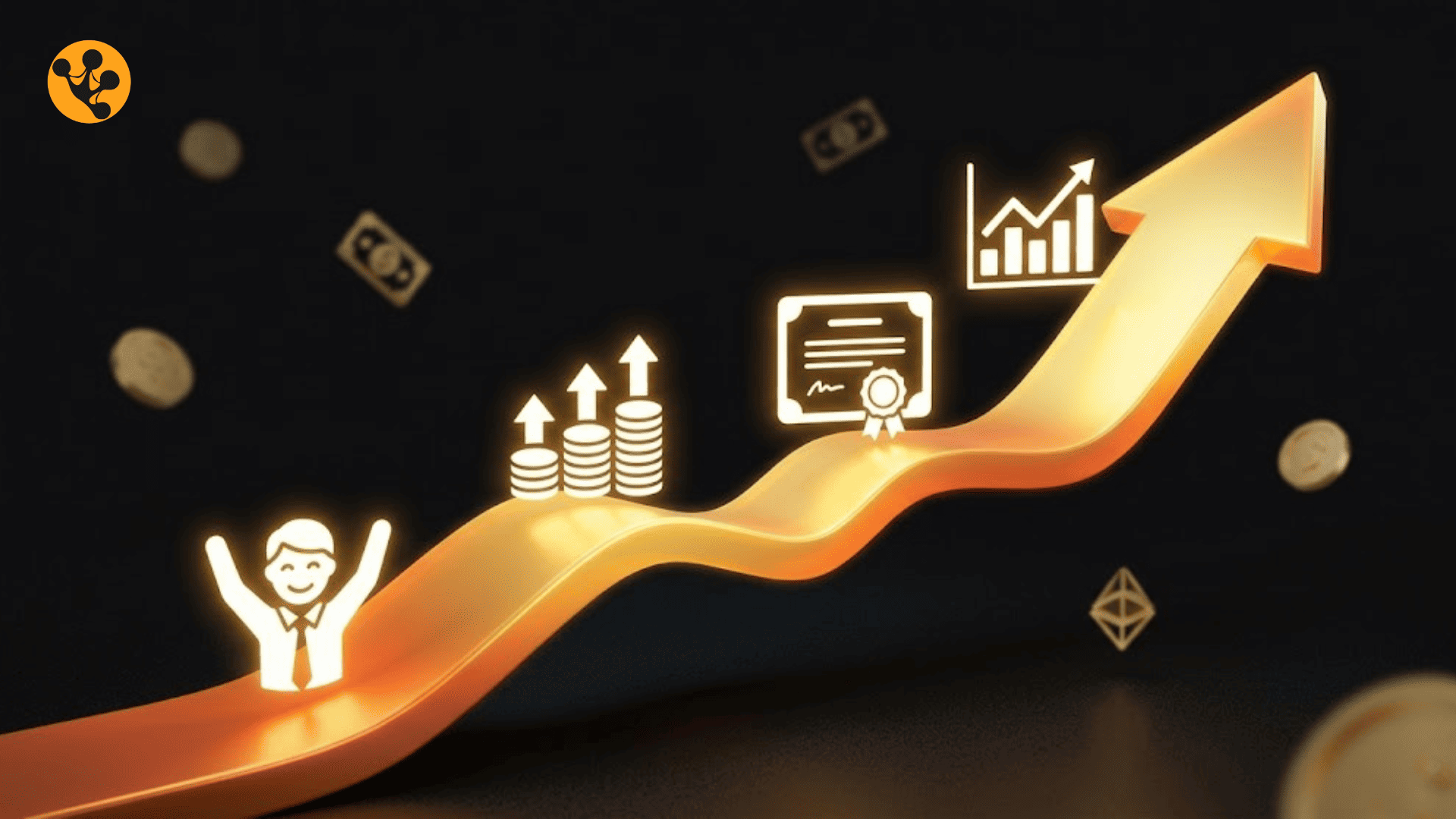
Optimizing Touchpoints: Onboarding & In-App Support
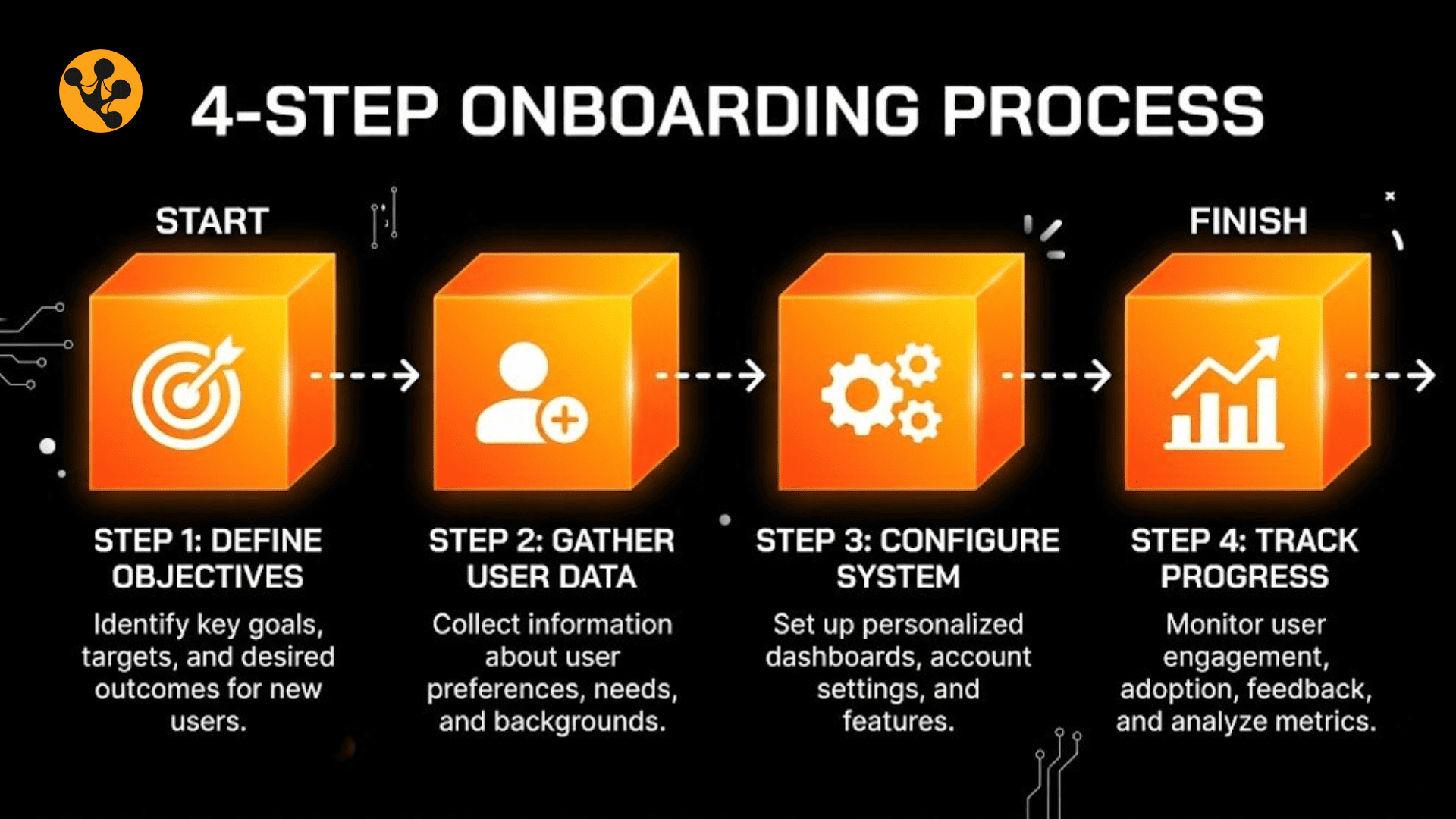
The value of Gamification and Engagement is only realized when the barrier to entry is kept to an absolute minimum.
- Simple Onboarding: Condense the registration process. Eliminate unnecessary data fields to reduce drop-offs right at the first screen.
- Interactive Tours & Tooltips: Instead of forcing users to read documentation, use UI hotspots to guide them toward their “Aha! moment” (core task completion) during their very first launch.
- Feature Discovery: Apply a drip-feed approach. Introduce an average of one new advanced feature per session during the first few weeks to prevent cognitive overload.
- Feedback Loops: Integrate ultra-short (1-tap) surveys immediately after a user completes a critical task to gather real-time feedback and resolve friction instantly.
Fatal Flaws in Mobile App Gamification Design
Poor implementation can backfire, making the application feel cheap, intrusive, or frustrating:
- Over-gamification: Cramming in too many visual effects, sounds, and arbitrary points overshadows the actual Core Value of the SaaS tool. B2B users need efficiency, not a casino interface.
- Lack of Segmentation: Applying the exact same Push Notification flow to both Newbies and Power Users. This will inevitably lead to users revoking notification permissions entirely.
- Worthless Rewards: If accumulated points cannot be exchanged for benefits that solve real problems (like feature upgrades or subscription discounts), the entire In-app economy will collapse.
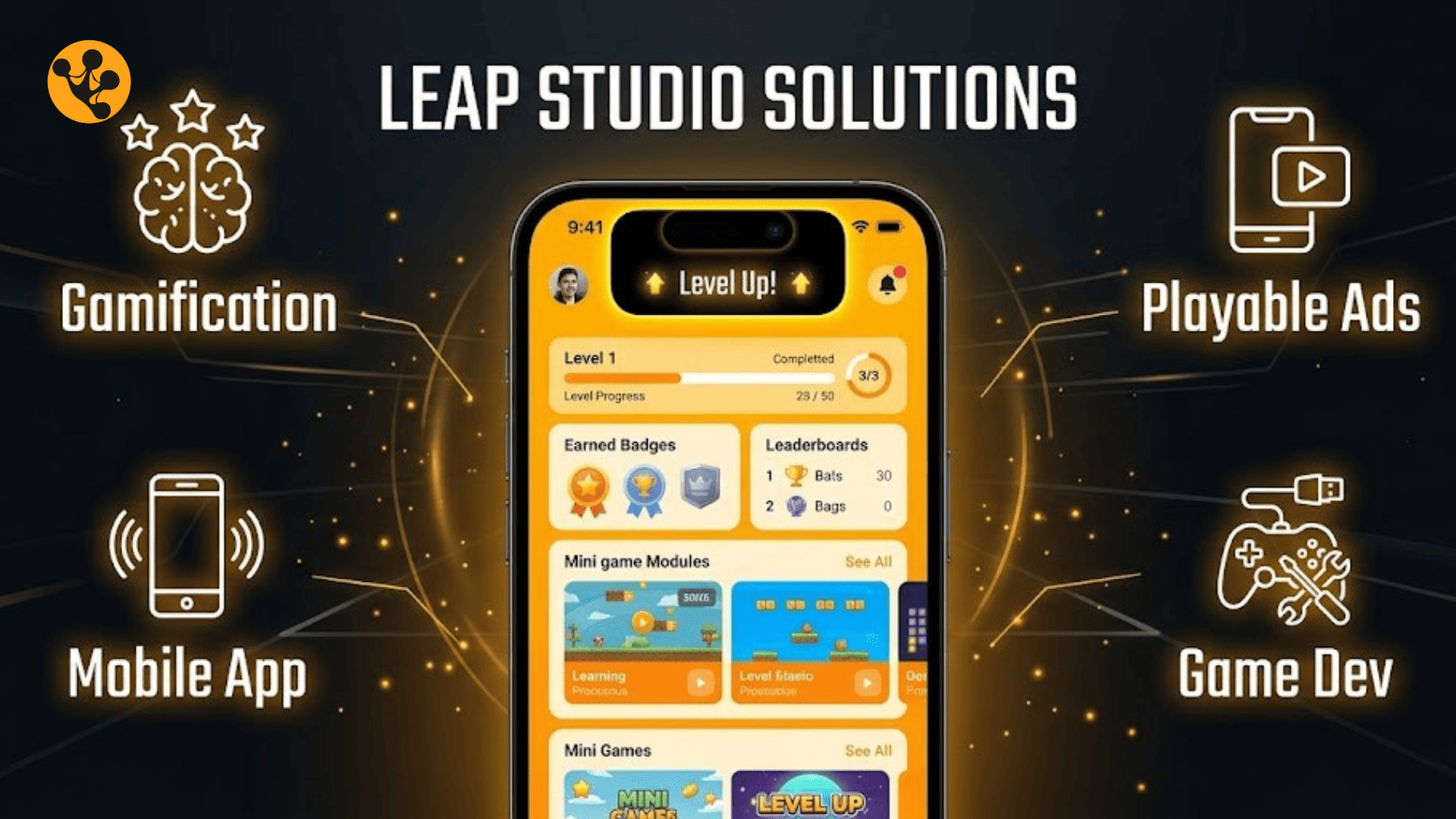
Conclusion
Mobile app engagement is not a feature you can code once and forget; it is a continuous loop: Deliver Value -> Communicate Timely -> Reward Appropriately -> Retain Long-Term. Balancing the utilitarian nature of a SaaS product with the compelling mechanics of Gamification will build a formidable competitive moat for your product.
Leave a comment