
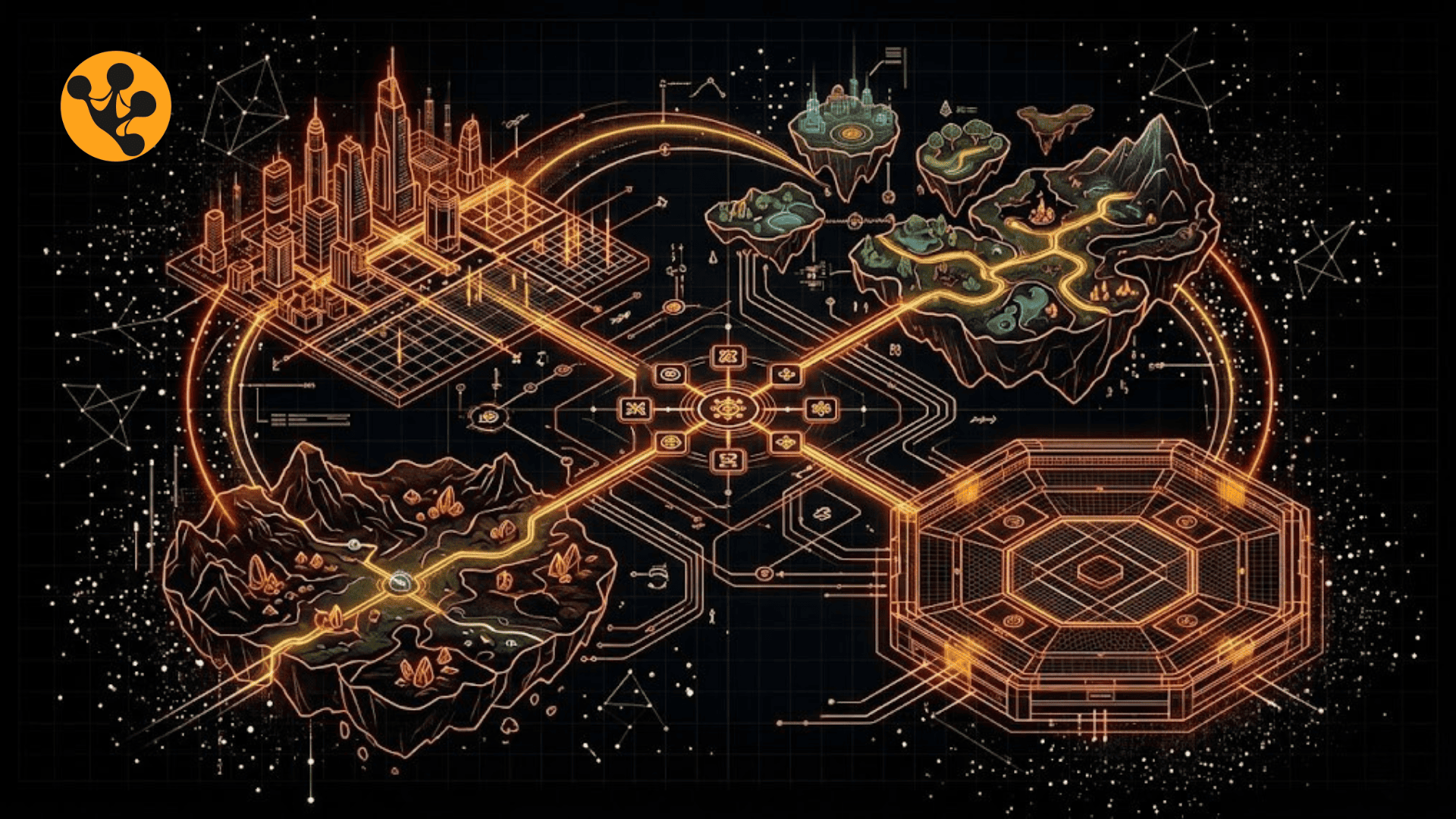
The Game Studio Brief: An Essential Guide
A game studio brief is a pivotal document that can determine the success or failure of a game project. A well-crafted brief helps the development team understand the project’s goals and serves as a vital communication tool with investors, publishers, and other stakeholders.
What is a Brief and Its Role in a Game Studio?
In the context of a game studio, a brief is a comprehensive summary of the game project, encompassing the concept, objectives, resources, and execution plan. It acts as the initial blueprint that helps stakeholders clearly understand the project’s vision.
The brief plays a critical role in the game development workflow because it:
- Provides clear direction for the entire project starting from the pre-production phase.
- Ensures alignment among all team members.
- Serves as a baseline for evaluating work progress and quality.
- Facilitates communication with external stakeholders.
The brief is typically written by a Producer, Project Manager, or Creative Director. However, it is utilized by the entire development team, ranging from programmers and artists to testers. It must be created during the concept phase and continuously updated as the project progresses.
Brief vs. Game Design Document (GDD)
Many people confuse the Brief with the Game Design Document (GDD). The core differences are:
- Purpose and Scope: The brief focuses on the big picture and strategic direction, whereas the GDD dives deep into gameplay mechanics and technical details.
- Detail and Timing: The brief is created early with high-level information, while the GDD evolves gradually through each milestone with specific technical details.
- Target Audience: The brief is geared towards management and external stakeholders, whereas the GDD is primarily for the development team and QA.

7 Core Components of a Game Studio Brief
A comprehensive brief must include seven essential components to ensure completeness and effectiveness:
- Project Summary & Goals: A clear elevator pitch about the game concept.
- Game Genre & Core Gameplay: Core mechanics and unique selling points.
- Target Audience: Demographic analysis and user personas.
- Project Scope & Timeline: Scope definition and milestone planning.
- Budget & Resources: Budget breakdown and resource allocation.
- Success Criteria & KPIs: Success metrics and measurement frameworks.
- Risks & Contingency Plans: Risk assessment and mitigation strategies.

Defining the Game Concept and Target Audience
Game Concept and Core Gameplay The game’s elevator pitch must answer three fundamental questions within 30 seconds: “What is this game?”, “Why should players care?”, and “What makes it special?”. The core loop describes the primary gameplay cycle players will repeat. For example: “Collect resources → Build base → Fight enemies → Upgrade equipment → Collect resources…”. Unique selling points (USPs) must be benchmarked against competitors to highlight your competitive advantage. Avoid listing too many features without a clear focus.
Target Audience and Market Fit Demographic analysis should cover age, gender, geography, and income. Psychographics should delve deeper into lifestyle, interests, and gaming behaviors. Your platform strategy must align with this audience; mobile games suit casual gamers, while PC/Console titles target hardcore audiences. The monetization model must also fit: Free-to-Play (F2P) for mobile, and premium for consoles. A market size analysis helps evaluate potential revenue and justify the investment. Finally, mapping the competitive landscape identifies direct competitors and shapes your positioning strategy.
The 7-Step Process for Writing an Effective Brief
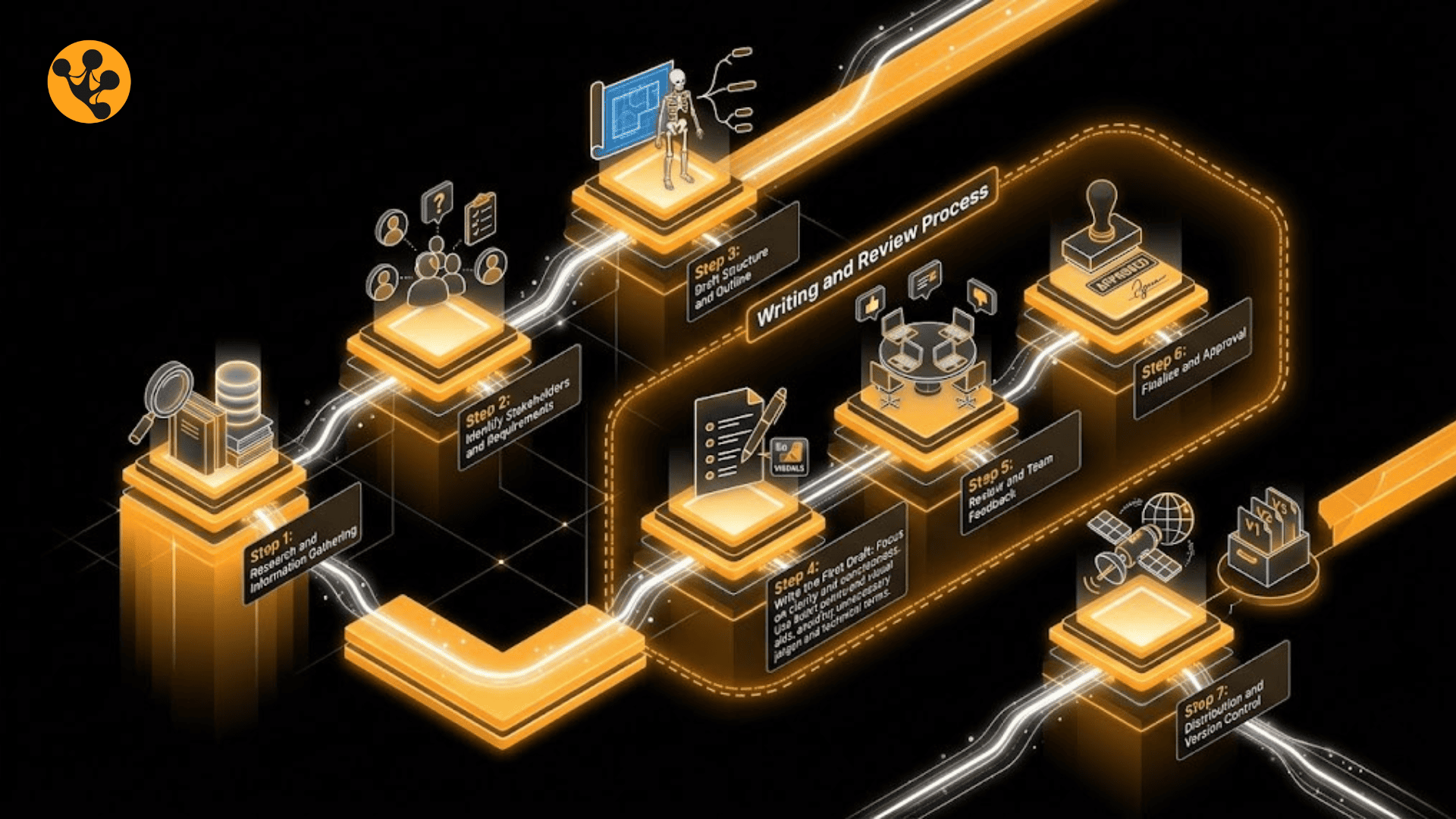
A standard brief creation process follows seven sequential steps to ensure quality:
Research and Preparation Phase
- Step 1: Research and Information Gathering: Conduct market research (trend analysis, competitor benchmarking, user research). Utilize tools like App Annie or Sensor Tower for mobile data. Interview stakeholders to understand expectations and constraints. Assess technical feasibility based on available resources.
- Step 2: Identify Stakeholders and Requirements: Map out all stakeholders and their respective requirements. Prioritize these based on importance and feasibility.
- Step 3: Draft Structure and Outline: Create a detailed outline covering the 7 core components, establishing a logical flow and information hierarchy.
Writing and Review Process
- Step 4: Write the First Draft: Focus on clarity and conciseness. Use bullet points and visual aids, avoiding unnecessary jargon and technical terms.
- Step 5: Review and Team Feedback: Establish an organized feedback loop with key stakeholders, collecting input in a structured format for easy processing.
- Step 6: Finalize and Approval: Incorporate the feedback, finalize the document, and obtain formal approval from key stakeholders.
- Step 7: Distribution and Version Control: Set up a version control system and ensure all stakeholders have access to the latest version.
Game Studio Brief Templates
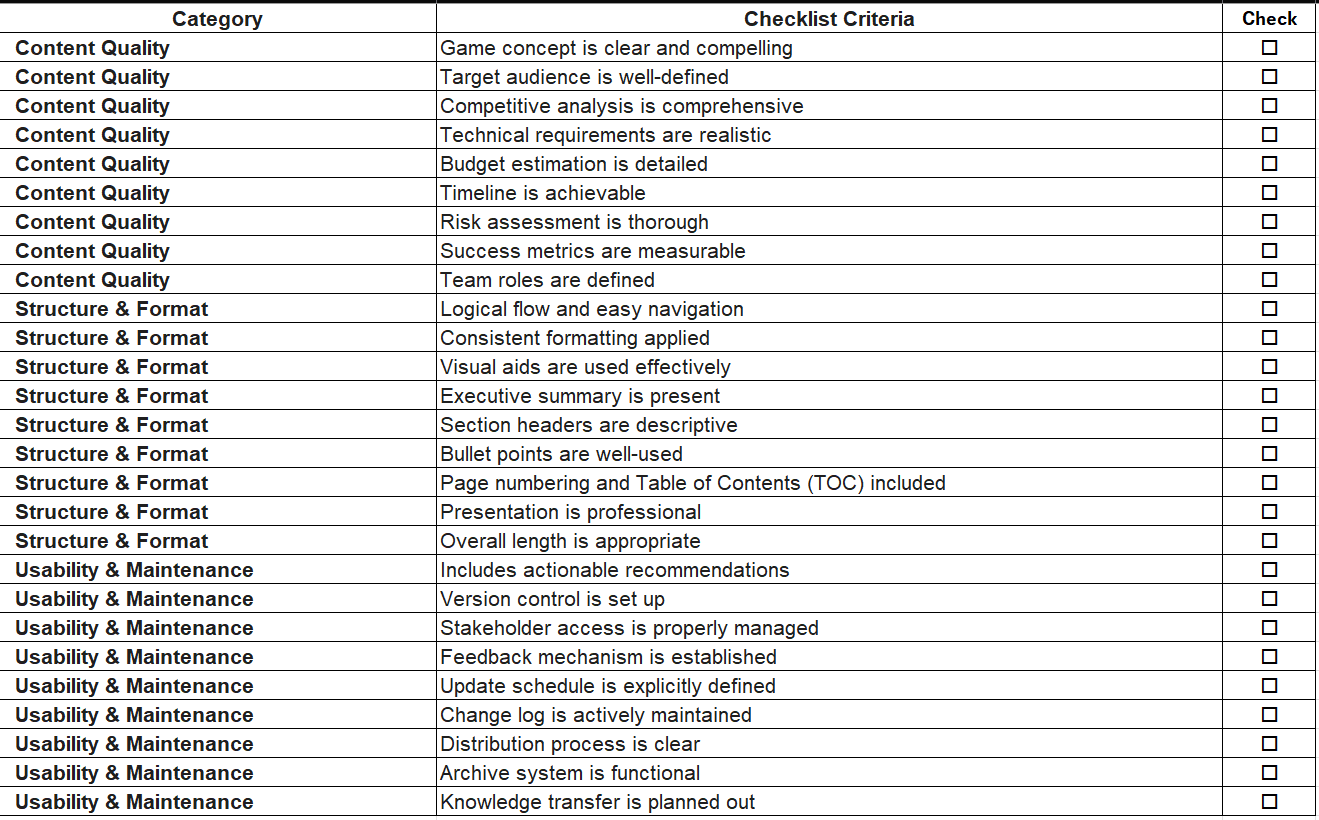
General Best Practices A standard template should be professional yet readable. Best practices include using a consistent heading hierarchy, incorporating visual elements like concept art, keeping sections concise with clear action items, and adding an appendix for detailed information.
Mobile Game Template Focus
- User acquisition strategy: Customer Acquisition Cost (CAC), Lifetime Value (LTV) analysis, and organic vs. paid growth plans.
- Monetization model: In-App Purchase (IAP) strategy, ad placements, and retention mechanics.
- Platform-specific requirements: App Store guidelines, localization, and update frequencies.
- LiveOps planning for seasonal events and content updates.
PC/Console Game Template Focus
- Publishing strategy: Self-publishing vs. publisher partnerships, and distribution platforms.
- Technical specifications: Minimum system requirements and performance targets.
- Marketing approach: Community building, influencer partnerships, and press coverage.
- Elaborate risk management and milestone planning due to longer development timelines.

Roles, Responsibilities, and Common Pitfalls
Team Responsibilities
- Producer/Project Manager: Responsible for overall brief creation, maintenance, and coordinating with other teams to ensure it reflects reality.
- Game Designer/Creative Director: Contributes to the creative vision, gameplay elements, and player experience.
- Business Development & Marketing: Provides input on market analysis, monetization strategy, and go-to-market plans.
Note: Collaboration tools like Confluence, Notion, or Google Workspace streamline workflow, and setting up notifications ensures stakeholders are updated on changes.
Common Mistakes to Avoid
- Creating a brief that is too long (losing focus) or too short (missing info). The sweet spot is 8-12 pages for indie projects and 15-25 pages for AAA titles.
- Missing crucial information like budget constraints or market realities.
- Setting unclear or unrealistic goals (Use SMART criteria to fix this).
- Failing to update the brief when the project pivots or scope changes.
- Allowing communication gaps by not sharing the brief properly (Use multiple channels to follow up).
- Watch out for red flags: Overpromising features, underestimating timelines, ignoring market realities, poor financial planning, and inadequate risk assessment.

“I’m Paul Nguyen, I’m a Growth & Product Marketing Leader and currently the General Manager at LEAP Studio. With over six years of experience across fintech platforms, tech startups, and Web3, I specialize in building data-driven growth strategies, optimizing conversion funnels, and integrating AI into marketing to drive sustainable business scalability.”



Leave a comment