
Game Studio Selection Guide
The global gaming industry is witnessing strong growth in recent years. Finding a game outsourcing partner plays a key role in the development strategy of many businesses. This process often brings anxiety and pressure for project managers when balancing quality and cost. The following article will provide objective information, helping you gain a multidimensional perspective to make an appropriate decision.
What is game outsourcing?
Game outsourcing (outsourcing game development) is the process of delegating certain stages or the entire product development cycle to a professional third-party partner. This model helps publishers reduce operating costs, access highly specialized teams, and rapidly scale the project.
What are the differences and benefits of game outsourcing?
In the current market, there is a clear division between development studios and outsourcing studios. Development studios are usually responsible from the ideation stage to launch and own the intellectual property (IP) of the product. Conversely, specialized outsourcing studios focus on providing technical or art services upon request, without owning the game’s IP.
Vietnam is becoming an ideal destination thanks to its operational cost advantages and competitive salary levels. We possess a young, dynamic, and well-trained tech workforce. The product quality from Vietnamese studios is continuously improving through accumulated experience from international projects.
However, collaboration also comes with language and cultural barriers. Remote project management requires both parties to establish strict processes to maintain quality and progress.
What do popular game ouourcing services currently include?
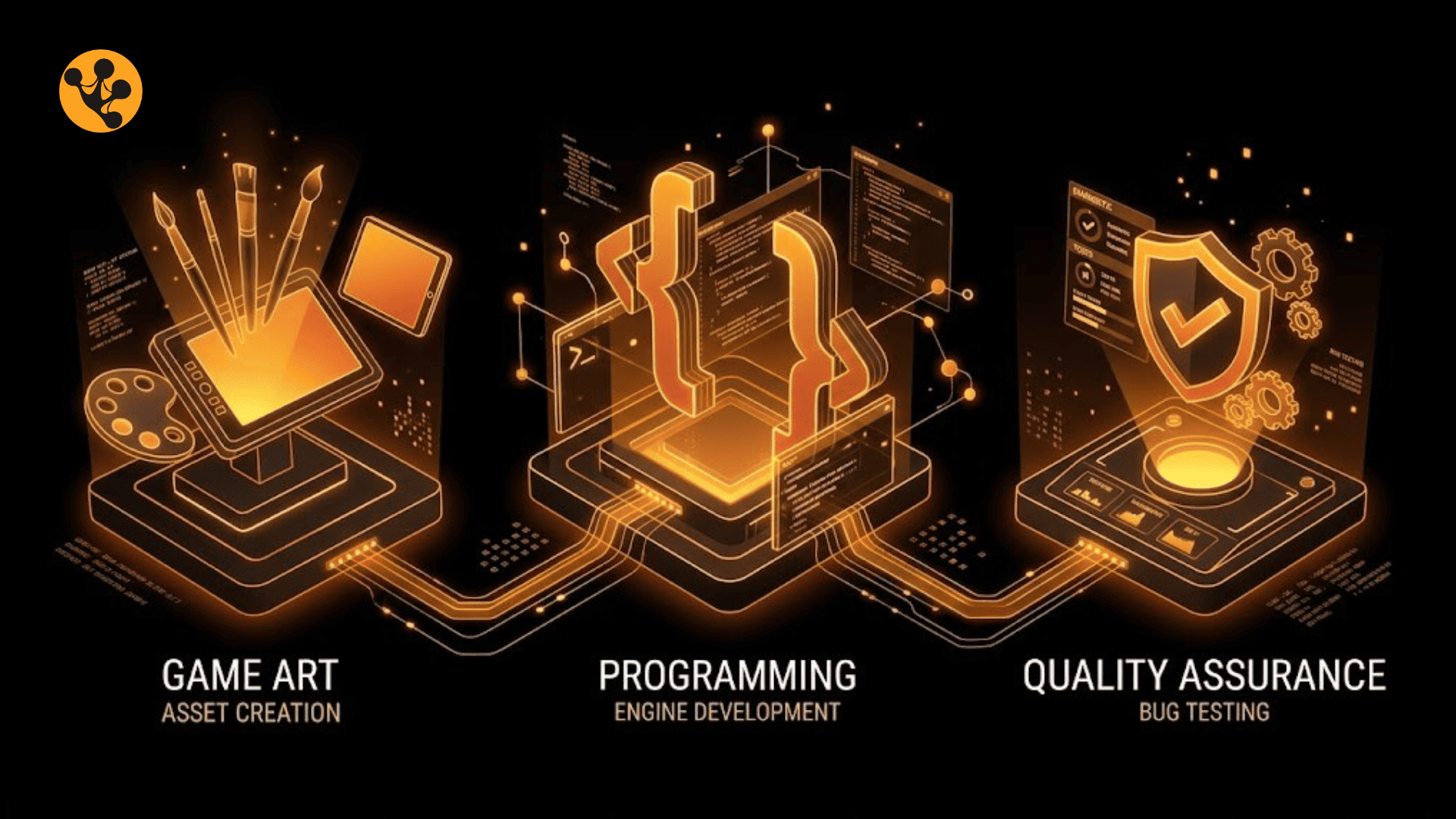
The Vietnamese market offers a variety of services, flexibly meeting the needs of international developers. Understanding each service group helps resource allocation happen more smoothly.
-
Art Outsourcing: Includes 2D/3D design, animation, user interface (UI/UX) design, and initial concept art.
-
Programming Outsourcing: Implementing gameplay mechanics, building server systems (Backend), and developing supporting tools on popular engines.
-
Testing and Localization: QA Testing services ensure the product operates stably across multiple platforms. The localization process helps adjust content to fit the target market’s culture.
-
Game Design and Dedicated Teams: Creating detailed Game Design Documents (GDD) and level design. The Dedicated Team model provides a workforce operating as an internal department of the business itself.
What needs to be prepared before choosing a game outsourcing partner?
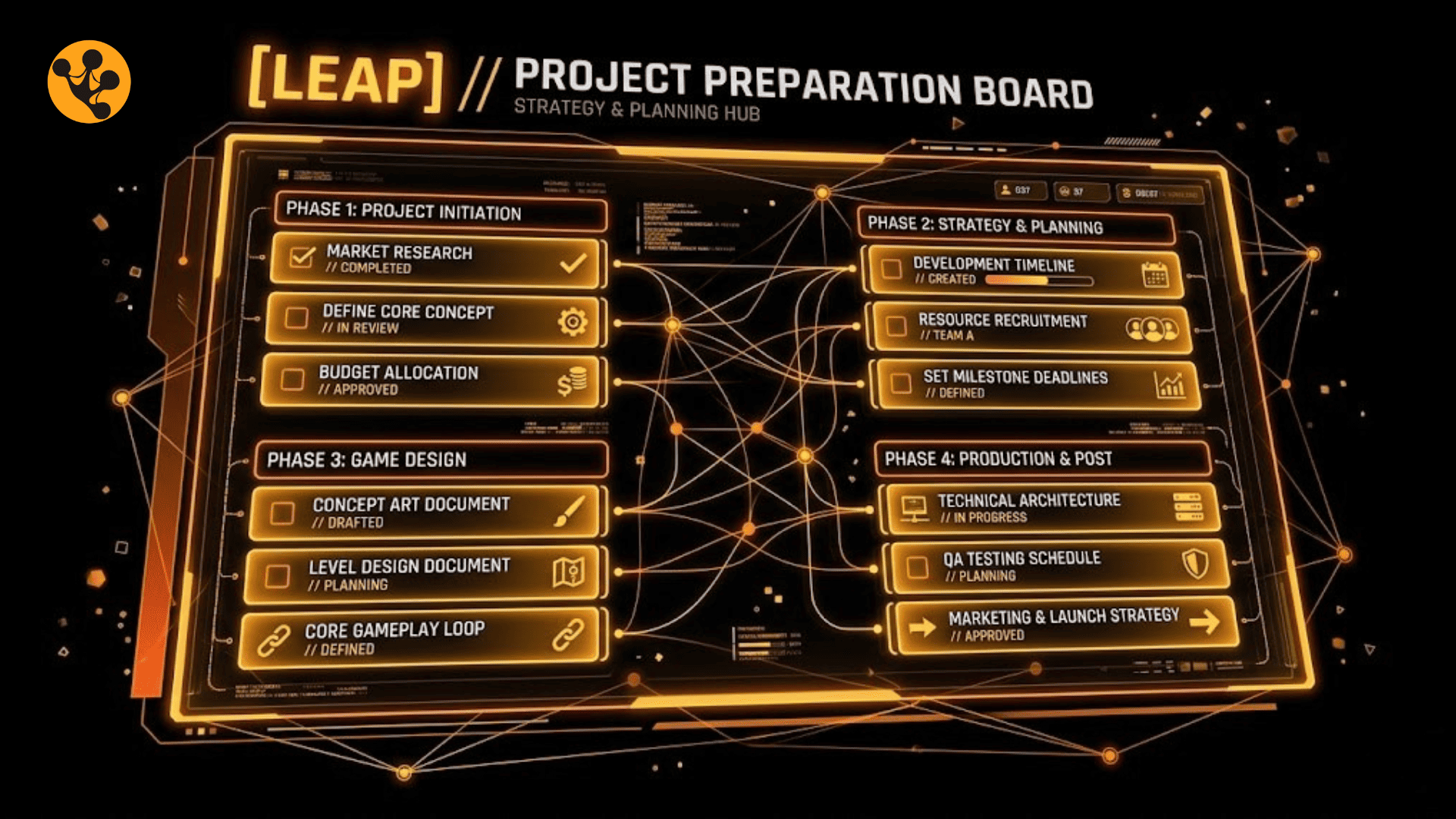
Thorough internal preparation is a vital prerequisite for establishing a smooth workflow. Clarity in goals helps both parties understand each other and avoid risks during execution.
-
Determine scope and budget: Make a detailed list of features to be outsourced. Set a realistic financial limit and a highly flexible timeline.
-
Clarify technical requirements: Specifically list the game genre, target platforms (PC, Mobile, Console), art style, and core technologies to be used.
-
Establish priority criteria: Assess whether the project needs a lean team or a large-scale workforce. You should also prioritize partners with a similar working culture.
What are the core criteria to evaluate a reputable game outsourcing studio?
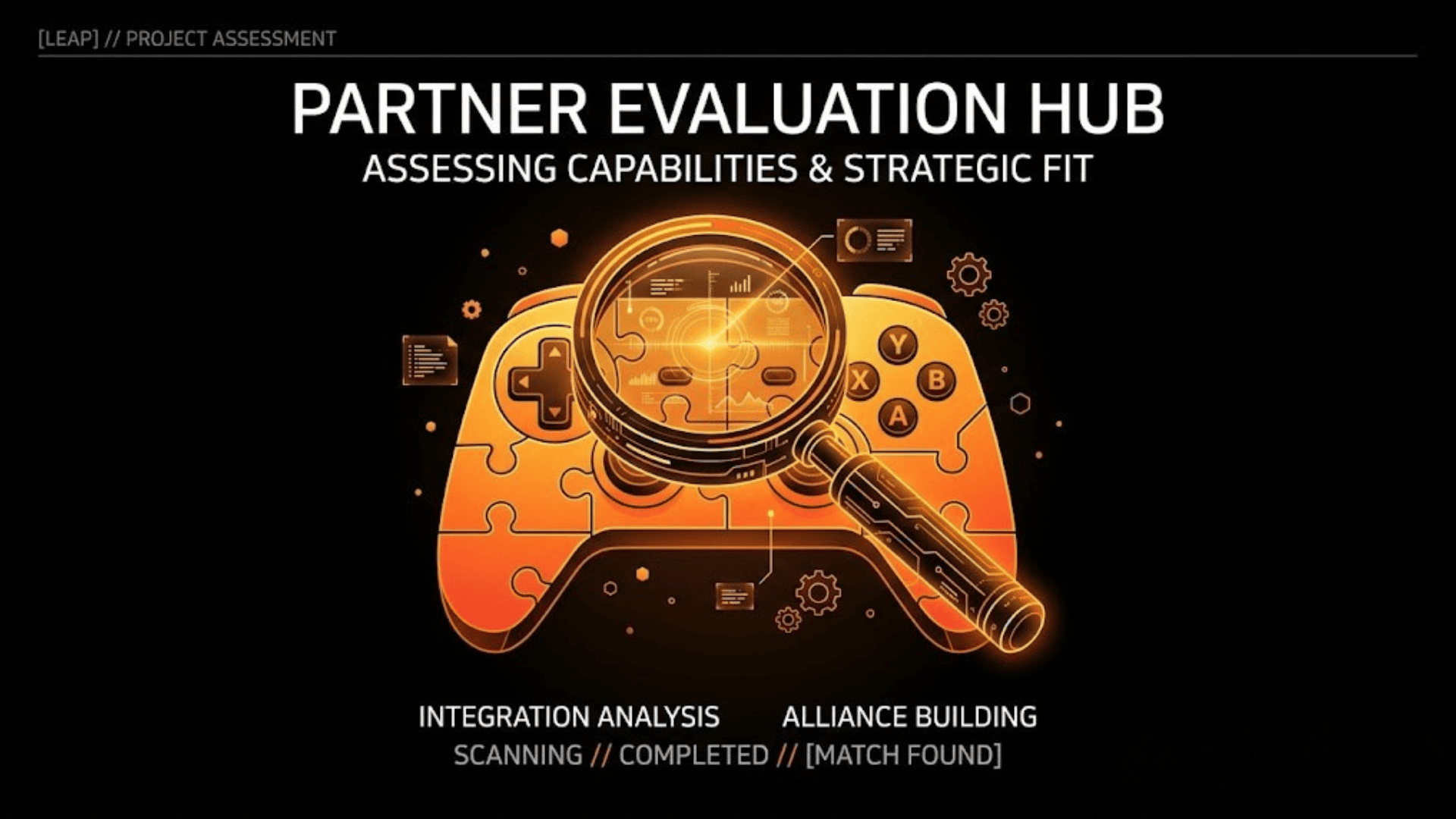
To evaluate a reputable game outsourcing studio, you need to rely on 5 foundational criteria: practical experience, a diverse portfolio, human resource quality, transparent management processes, and seamless communication capabilities. A harmonious combination of these factors helps the project run smoothly and achieve high efficiency.
How to determine the practical experience of a partner?
Experience does not solely lie in the number of years operating in the market. You need to consider their deep understanding of platforms and technologies similar to your project. Here are practical steps to clearly identify practical experience:
-
Request Case Study Analysis: Ask the studio to present details about a completed project similar to your requirements. Ask deep questions about how they handled difficulties, fixed technical bugs, and optimized performance.
-
Conduct Competency Tests (Art Test / Code Test): Assign them a small task to test. This process helps you directly verify if they truly understand the game engine and art style the project aims for.
-
Directly Interview the Technical Team: Do not just stop at exchanging information with the sales department. Request a direct meeting with the Lead Artist or Lead Developer to assess their problem-solving mindset.
-
Verify via Past Clients (Reference Check): Proactively ask for contact information from the studio’s previous partners. Feedback from a third party will provide an objective view of delivery timelines and the outsourcing team’s commitment.
What information does a Portfolio reflect?
A portfolio is visual proof of a studio’s graphic quality and technical capabilities. When reviewing past projects, pay attention to the diversity of art styles. Besides, you need to communicate directly to clearly understand their actual role in each project, avoiding misidentifying their true capabilities.
Why does human resource capacity directly affect game quality?
In the gaming industry, personnel do not just perform simple technical tasks; they directly create the player’s experience. The development team’s qualifications determine the shape, emotion, and stability of the product.
Specifically, a specialized Lead Artist will ensure visual consistency for the entire project. They help the graphics, settings, and character designs convey the right storyline, thereby attracting players to interact more deeply.
Technically, veteran programmers (Senior Programmers) play a core role in optimizing operational performance. They ensure gameplay mechanics run smoothly, physical logic is realistic, and significantly reduce lag or application crashes.
Additionally, a Game Designer who understands the market will build a reasonable economic system and challenge distribution. Seamless coordination between graphics, technical execution, and design thinking from a skilled team is the core element to creating appeal and retaining the gaming community.
How do management processes affect project progress?
A loose management system easily leads to delayed progress or incurred costs. Find out what methodologies the studio applies (such as Agile or Scrum) to maintain flexibility in work. Using transparent control tools will help you closely monitor every important milestone.
What role does communication play?
Incoherent communication can cause serious misunderstandings during development. The foreign language proficiency of the project management team is a factor that needs to be weighed from the beginning. Furthermore, the response speed on regular communication channels will reflect their professional attitude and dedication.
Conclusion
Navigating the landscape of game outsourcing in Vietnam requires diligent research and careful consideration. This roadmap provides a detailed and structured approach, from initial planning to establishing effective collaborative workflows. As you leverage this information to assess potential studio partners, remember that success hinges on identifying a team that not only possesses the necessary technical and artistic skills but also aligns with your project’s culture and vision.
By prioritizing clear communication and defining a structured project scope, you can mitigate potential risks and foster a productive, long-term partnership. Vietnam offers a wealth of opportunities with its competitive costs and rising talent pool; this comprehensive guide empowers you to make informed decisions and transform your ambitious game development dreams into tangible reality. For any inquiries or further assistance in selecting the right game outsourcing partner, please contact LEAP Studio to consult directly with me, Paul Nguyen, and the rest of our dedicated team of industry experts. Let us help you unlock the full potential of your project in this dynamic and thriving market.

“I’m Paul Nguyen, I’m a Growth & Product Marketing Leader and currently the General Manager at LEAP Studio. With over six years of experience across fintech platforms, tech startups, and Web3, I specialize in building data-driven growth strategies, optimizing conversion funnels, and integrating AI into marketing to drive sustainable business scalability.”



Leave a comment